Soils and Microplastics ...

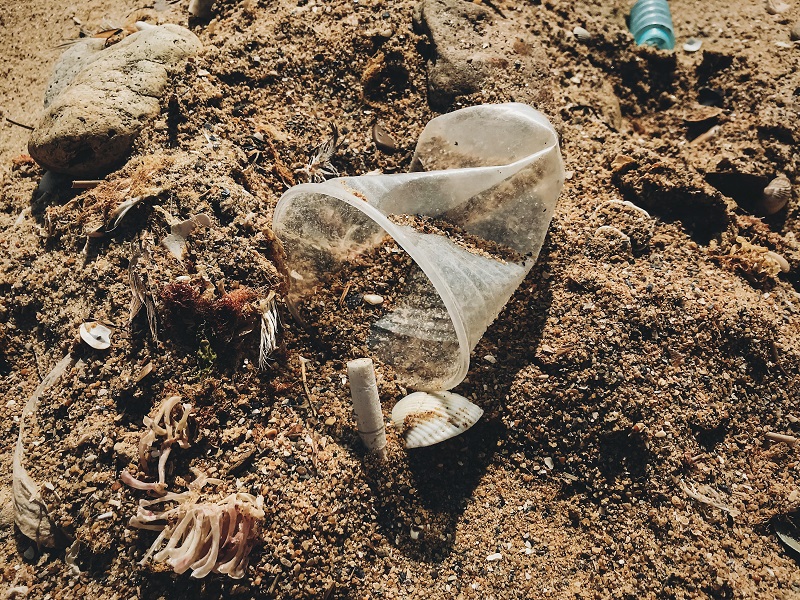
Microplastics are really small pieces of plastic—less than 5 mm in size—that don’t break down easily. They’re basically leftovers from bigger plastic items or are made that way from the start. Even smaller than microplastics are nanoplastics, which are so tiny (less than 0.000001 mm) that they can’t be seen without special equipment.
Microplastics come from a lot of different sources, including:
Microbeads in face and body scrubs
Resin pellets used to make plastic products
Tyre wear from driving
Microfibres from synthetic clothes when they’re washed
Marine coatings that wear off boats and ships
Breakdown of bigger plastic items, like water bottles and food packaging
Microplastics can sneak into soil in a bunch of ways:
Through compost and sewage
From plastic mulch or weed mats (usually used in agriculture)
Through floodwater or irrigation (especially when recycled water is used)
From airborne particles that settle on the ground
Even home gardens can be affected—plastics like polyethylene, polypropylene, and polystyrene have been found in backyard soil and crops.
What Happens When Microplastics Enter Soil?
Once microplastics get into the soil, they can change size and even break down chemically. This affects the soil microbiome—the tiny living things that help plants grow and recycle nutrients. Microplastics affect the soil in two big ways:
Physically, they can change:
How soil particles stick together (soil aggregation)
How compact or loose the soil is (bulk density)
How well the soil holds water
The size and spread of pores in the soil (which affects air and water flow)
These changes mess with the structure of the soil and can make it harder for plants to grow.
Chemically, they can:
Change the amount of organic matter in the soil
Bring in harmful chemicals like pesticides, heavy metals, and pharmaceuticals
Compete with soil for nutrients, because microplastics can absorb (or "grab onto") important compounds, sometimes even better than the soil or microbes can
Why It Matters
Even though they’re tiny, microplastics can cause big problems. They affect soil health, plant growth, and even climate over time and because plastic doesn’t go away easily, the effects can last for decades - or longer.
Understanding how microplastics work helps us make smarter choices about what we use, how we recycle, and how we protect the planet we live on.
Study soil microbiome online. Make a difference.