Crops Courses

This course develops both the skills required to manage a horticultural farm (eg. Market Garden, Orchard), and also the knowledge in the identification, growing, processing and marketing crops and crop related products. This course involves seven units, plus a 200 hr workplace project. There are four core units common to all streams of this Advanced Certificate (ie.  Management, Business Operations, Office Practices and Marketing Foundations), and three specialist units relating to crop production.
This course is internationally accredited through I.A.R.C.

[More info & enrolment: Advanced Certificate In Applied Management (Crops)]

ADVANCE YOUR HORTICULTURE CAREER TO A NEW LEVEL

A course designed for people wishing to work or advance their careers in managerial or high technical positions within the horticultural crop industry. 
A comprehensive course to gain knowledge on all aspects of crop business management.
This course is internationally accredited through I.A.R.C.

[More info & enrolment: Advanced Diploma In Horticulture (Crops)]
For the enthusiast or commercial grower, covering all aspects of the care & cultivation of common, and uncommon, berry fruit; with the opportunity to specialise to some degree in one type of berry.
[More info & enrolment: Berry Production]

A course for people working, or intending to work, in orchards or market gardens. This course is similar to other VHT002 horticulture certificates in its introductory (core) units, but devotes 50% of the course to topics specifically related to crop production. The Core Units are divided into the following sections:
1. Introduction to Plants -Taxonomy, plant families, pressing plants, basic botany.
2. Plant Culture -Planting, potting, plant selection, pruning, irrigation, tools and machinery.
3. Soils and Nutrition -Soil structure, chemistry, nutrition, potting media.
4. Plant Identification and Use -Seed harvesting and storage, germination treatments, cuttings, etc.
5. Pests, Diseases and Weeds -Identification and treatment (chemical and non-chemical)

This course is internationally accredited through I.A.R.C


[More info & enrolment: Certificate In Horticulture (Crops)]
A 700 hr course for people working or wishing to work in the area of cut flower production. This course is similar to other VHT002 horticulture certificates in its introductory (core) units, but devotes 50% of the course to topics specifically related to the production and marketing of cut flowers. The Core Units are the same as for the above certificates (ie. Introduction to Plants, Plant Culture, Soils and Nutrition, Plant Identification and Use, Pests, Diseases and Weeds).
Accredited through International Accreditation & recognition Council
[More info & enrolment: Certificate In Horticulture (Cut Flowers)]
Accredited through International Accreditation & Recognition Council
A 600 hour accredited course designed to teach the principles and practices of growing plants using organic methods. This course is similar to other VHT002 horticulture certificates in its introductory (core) units, but devotes 50% of the course to topics specifically related to organic growing. To our knowledge this is the only government accredited course in Australia for organic growers. The Core Units comprise fifteen lessons covering: Introduction to Plants, Plant Culture, Soils and Nutrition, Plant Identification and Use & Pests, Diseases and Weeds.
[More info & enrolment: Certificate In Horticulture (Organic Plant Growing)]
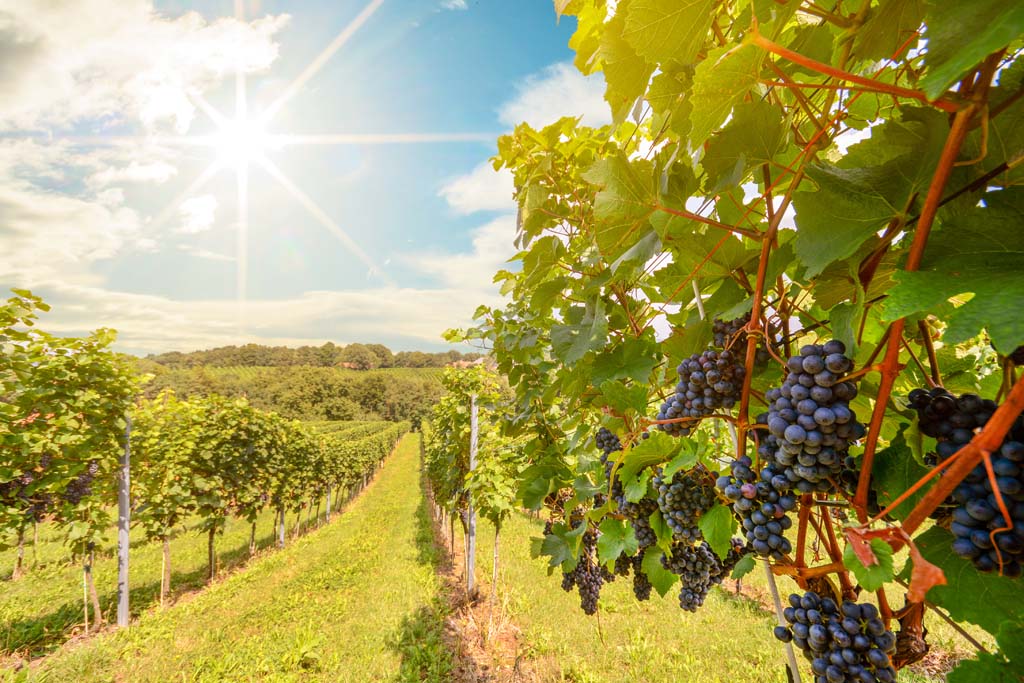
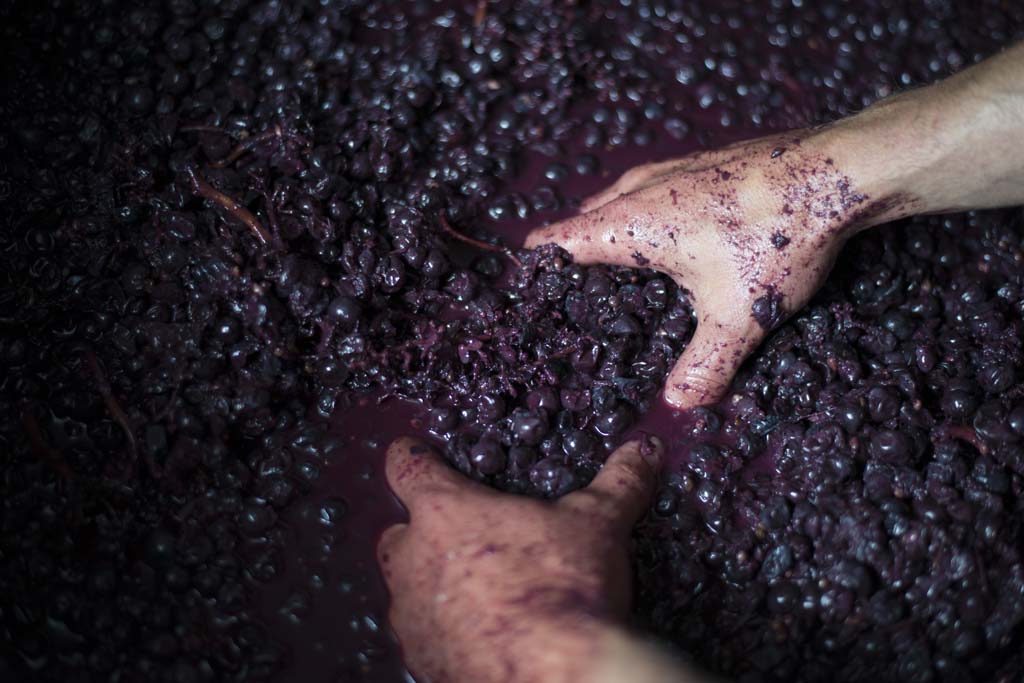
A 600 hr course for people working, or intending to work, in the production of grapes. This course is similar to other CVHT002 horticulture certificates in its introductory (core) units, but devotes 50% of the course to topics specifically related to the production of grapes for wine, drying or as fresh fruit.
The Core Units comprise fifteen modules that are divided into the following sections:
  • Introduction to Plants
  • Plant Culture
  • Soils and Nutrition
  • Plant Identification and Use
  • Pests, Diseases and Weeds

Accredited through the International Accreditation & Recognition Council


[More info & enrolment: Certificate In Horticulture (Viticulture)]
The demand for organically grown vegetables is currently a major growth area in commercial horticulture. This course is a good starting point in learning all aspects of organic vegetable production.
[More info & enrolment: Commercial Organic Vegetable Growing]
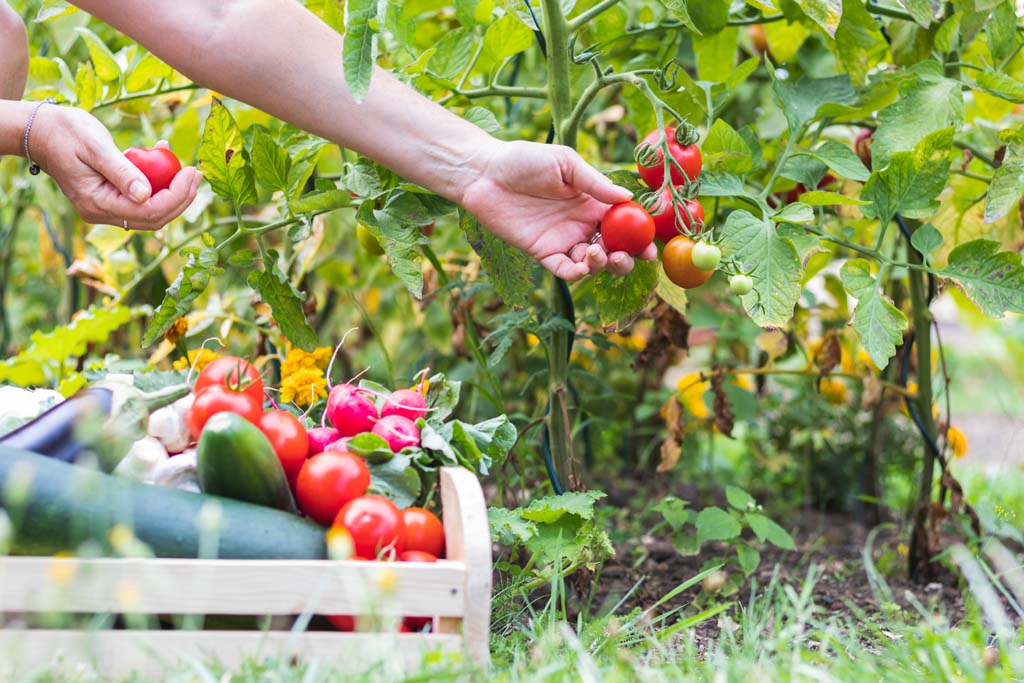
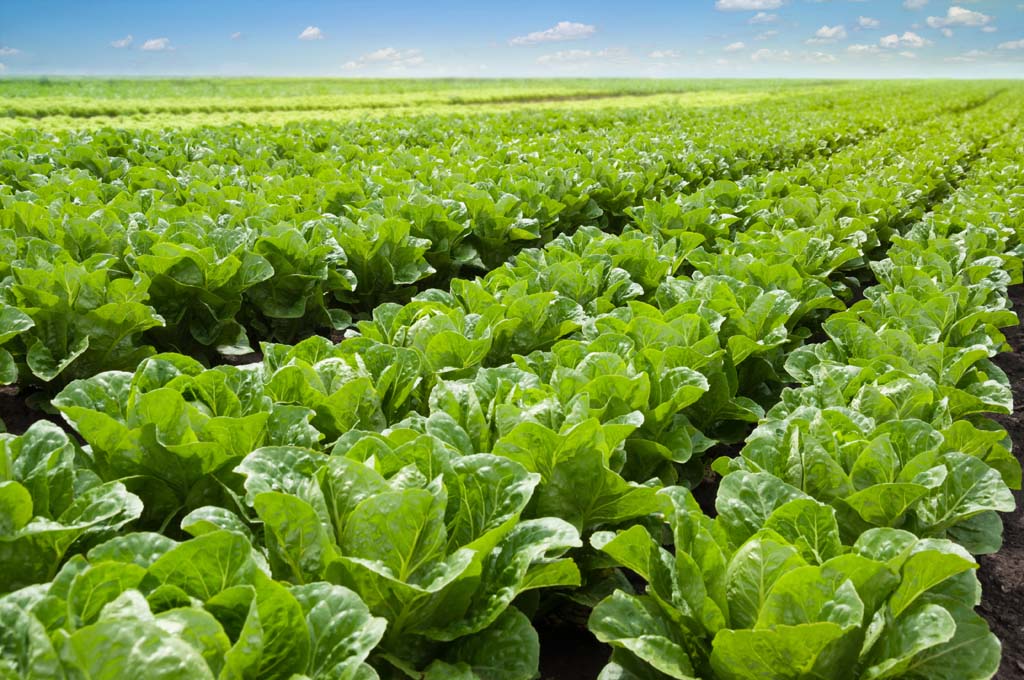
Develop skills and knowledge required for commercial vegetable production, including a variety of production methods. This is a very sound 100 hour foundation course in general vegetable production. (Note: Do not undertake Commercial Organic Vegetable Growing as well as this. The two courses do overlap)

[More info & enrolment: Commercial Vegetable Production]
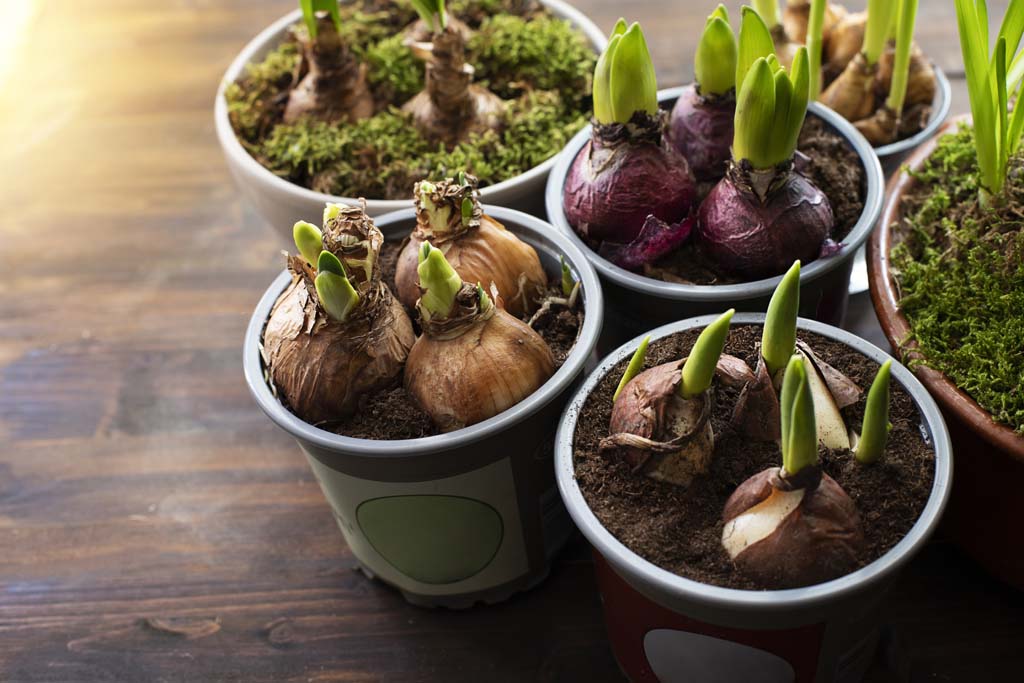
A course for the enthusiast or commercial bulb grower, with ten lessons
[More info & enrolment: Cut Flower Bulbs]
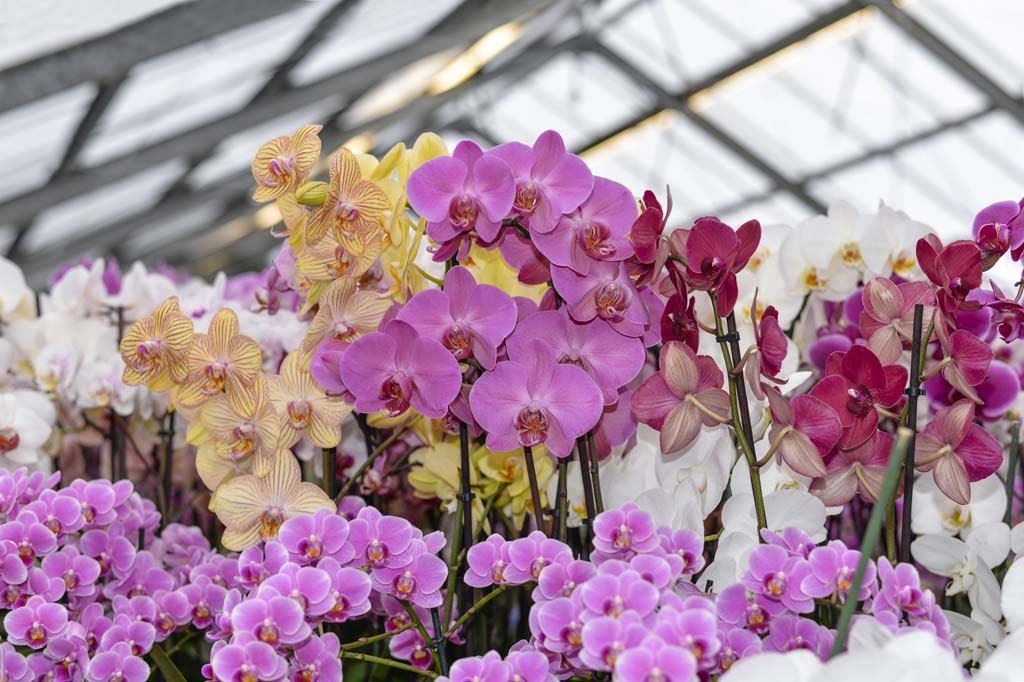
Orchids occur naturally from very cold temperate climates through to tropical locations; and provided you choose appropriate species and treat them according to location, it is feasible to grow orchids as cut flowers almost anywhere. Orchids are one of the most commercially viable cut flower crops (partially due to their beauty, and also due to their long shelf life). Learn how to produce orchid flowers for the cut flower trade.
[More info & enrolment: Cut Flower Orchids]
Cut flower growing has experienced rapid expansion in recent decades, resulting in increased demand for training in the skills and knowledge required by this industry in increasingly affluent countries. This course provides a thorough basic training for the commercial cut flower grower.
[More info & enrolment: Cut Flower Production]
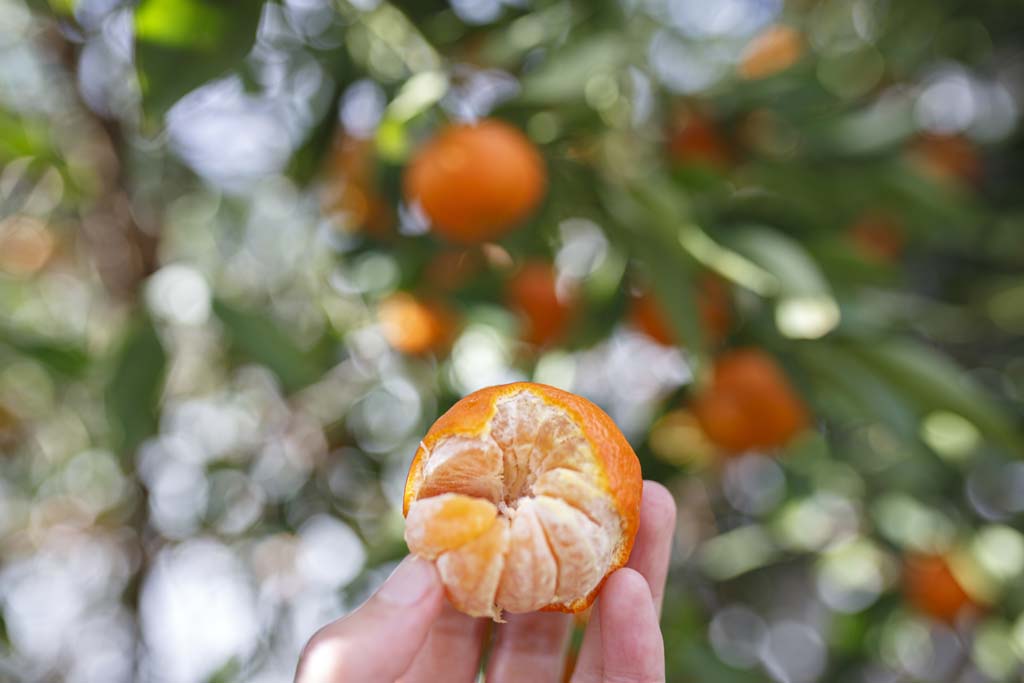
An eight lesson course that starts by introducing the fruit growing industry, and moves through most of the skills needed for successful fruit growing in a serious way. Topics covered include management, soils, planting, irrigation, pruning, cultural practices (including pest control), pome and stone fruits, and various vines, fruit trees and nuts.
[More info & enrolment: Fruit Production - Temperate Climate]
GROW A SUCCESSFUL BUSINESS WITH WARM CLIMATE FRUIT PRODUCTION
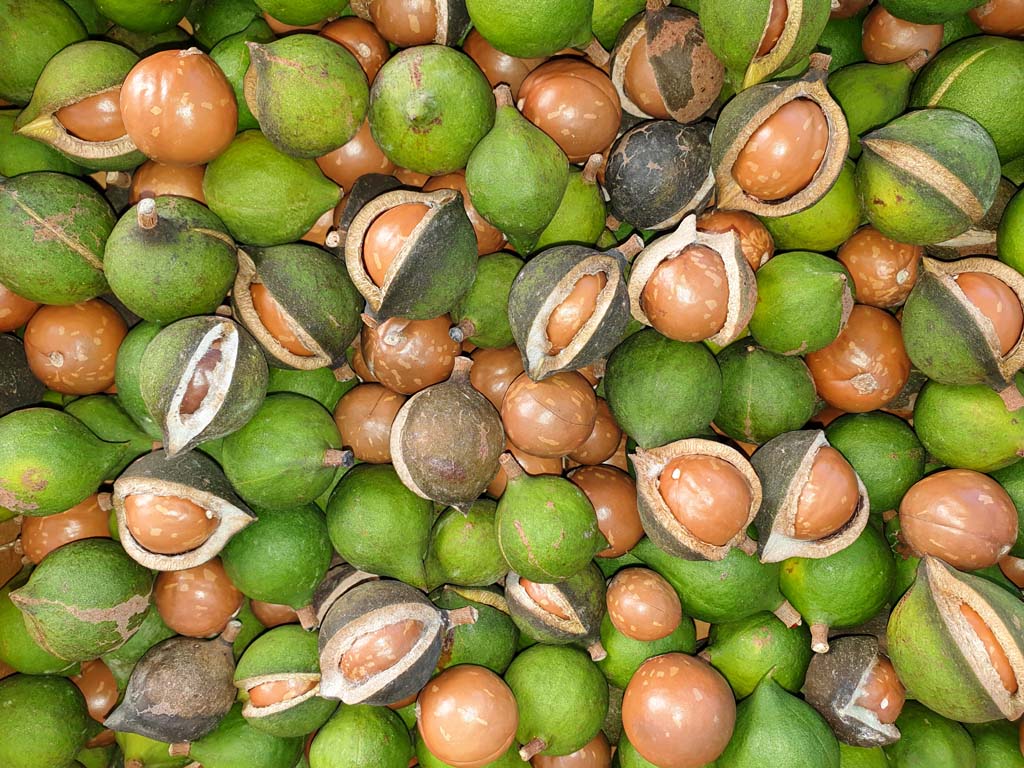
A course designed for people who want to have a successful warm climate orchard, to develop  skills in the establishment and management of commercial fruit production for warm climates. Similar to the temperate fruit course, but adapted to cover tropical and sub-tropical conditions. The course includes sections on Avocados, Pineapples, Macadamias, Paw Paws and Cashews.

[More info & enrolment: Fruit Production - Warm Climate]
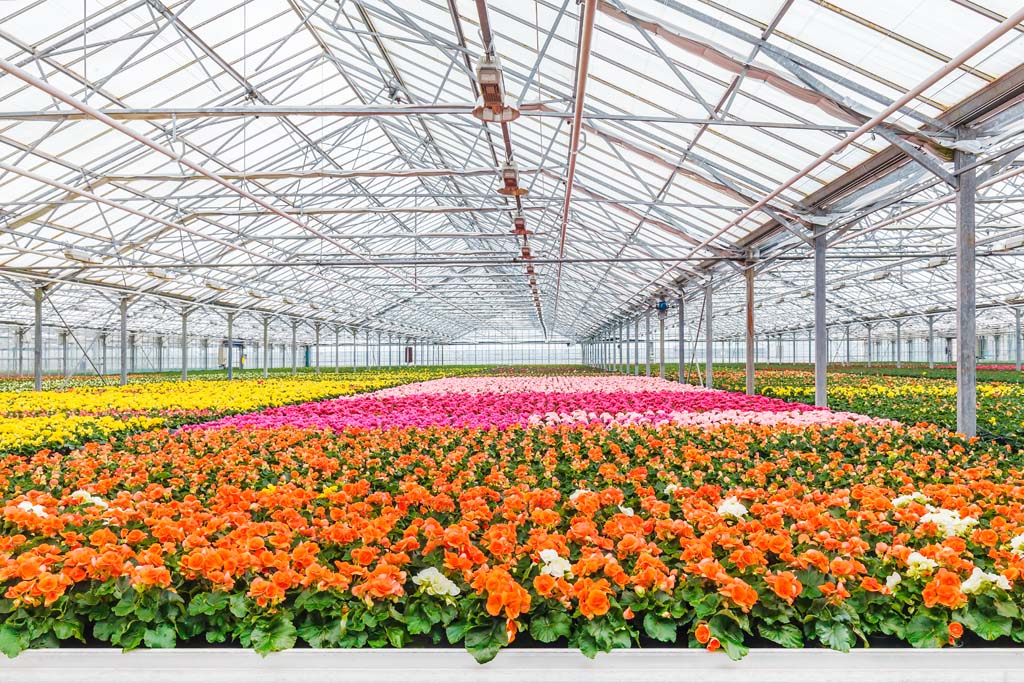
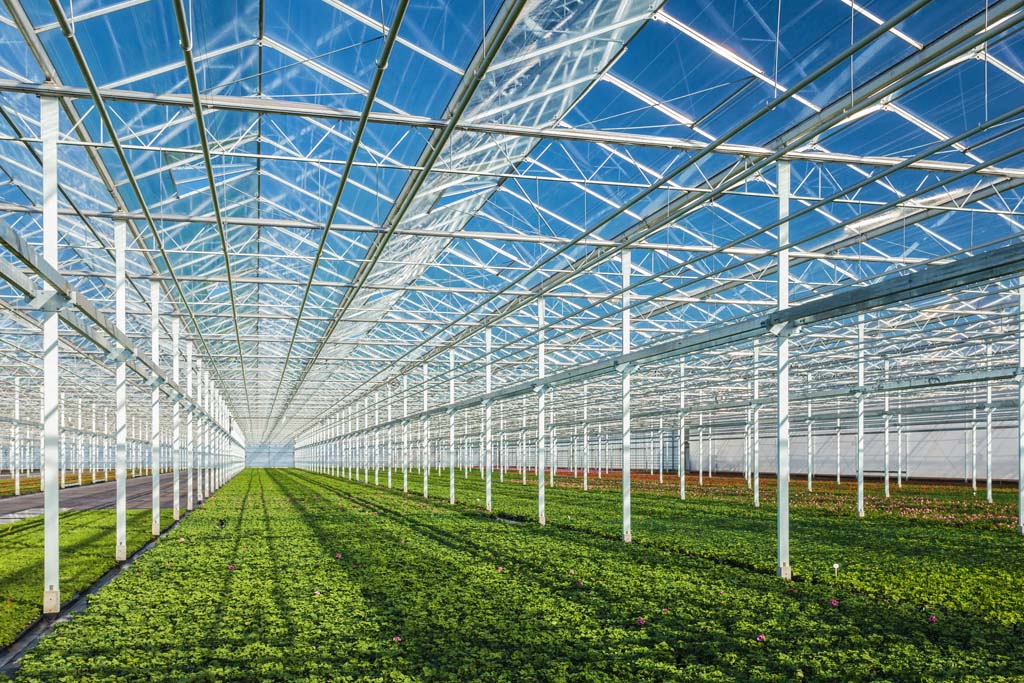
A course for commercial cut flower growers who are concerned exclusively with greenhouse production. International trade in cut flowers has grown over recent decades. In most countries, developed or in development, it is now possible to get the most popular types of cut flowers almost any time of the year.
The industry has made this possible by doing three different things:
1. Expanding trade between countries (e.g. Australian tulips might be flown to the Netherlands in August and September, when they are not flowering in The Netherlands; and Dutch tulips might be flown to Australia when it is autumn in Australia)
2. Breeding new varieties has extended the flowering season for some plants. It is now, for instance, possible to grow Chrysanthemum varieties that flower all year round in some climates.
3. Growing in greenhouses has enabled farmers to take control of conditions that stimulate flowering; and cause plants to not only grow faster, but also flower at times when they might not have otherwise flowered.

[More info & enrolment: Greenhouse Cut Flowers]
A ten lesson course that covers the design, installation, maintenance, operation and evaluation of simple irrigation systems. This course is similar to Ag302 and Ht027, but focuses on irrigation systems for row crops (eg. vegetables & cut flowers) and orchards.
[More info & enrolment: Irrigation - Crops]

Ever wanted to grow mushrooms and didn’t know where to start? 

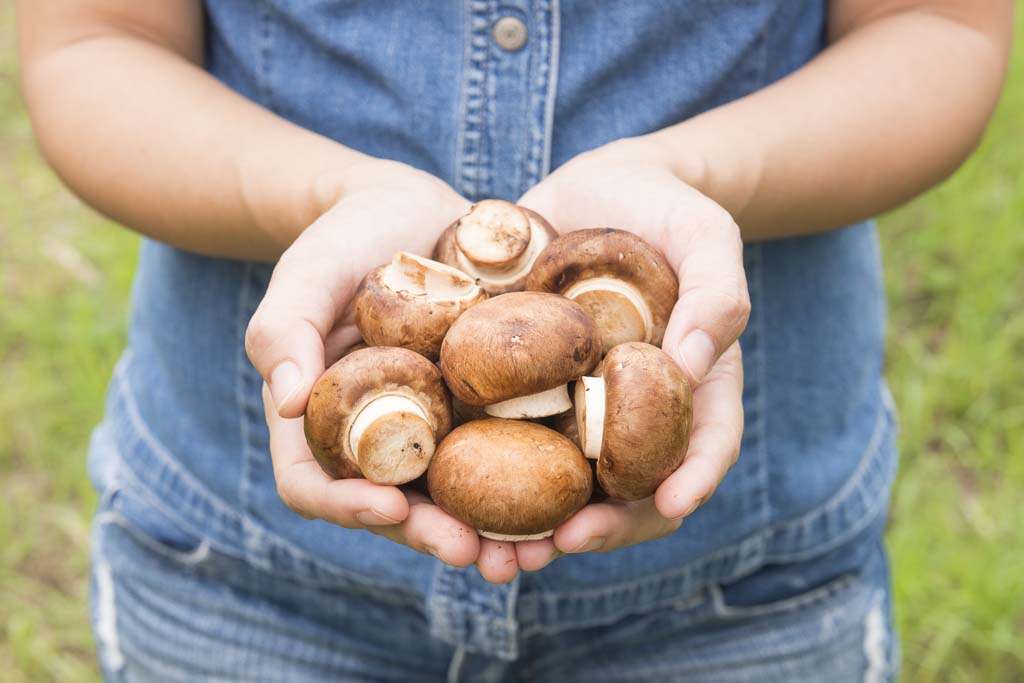
This course is unique and has been evolving over 20 years with a serious revision every 1 to 2 years, since it was first developed. The most commonly grown mushroom worldwide is Agaricus (The Champignon); and for that reason, more attention is given to that type of mushroom. Other commercially grown mushrooms are reviewed in most lessons as well, in order to give the student a broad understanding of how to cultivate all types of commercial fungi. As the student develops this foundation in understanding fungal growth, and commercial techniques; their capacity to grow any type of edible fungi will increase.

This course improves your ability to grow mushrooms on either a small or large scale; and both broadens and deepens your knowledge of growing, harvesting, marketing, storage, pest and diseases and even ways of cooking and using mushrooms.


[More info & enrolment: Mushroom Production]
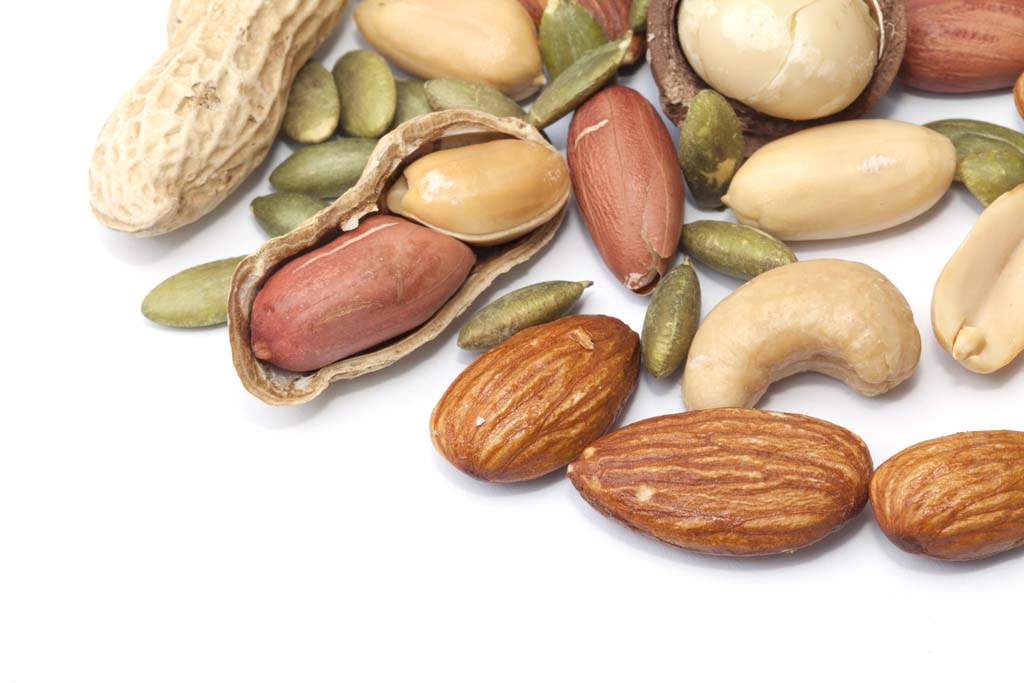
For the enthusiast or commercial grower. A detailed study on nut growing with the opportunity to specialise, to some degree, according to your interests.

[More info & enrolment: Nut Production]

HOW TO START A COMMERCIAL CROP PRODUCTION ...
Designed to gain broad knowledge on outdoor crop production, from flowers to fruits and vegetables, this course is a basic step to start a commercial venture on many types of crops. The course consists of ten lessons that cover site selection, crop selection, soil management, cut flowers, vegetables, berries, nuts, herbs, tree fruits, other crops, managing a market garden and more.

Student comment (M.Simpson): "This course has been excellent.... I would be willing to recommend this course to any of my friends and colleagues"


[More info & enrolment: Outdoor Plant Production (Crops I)]
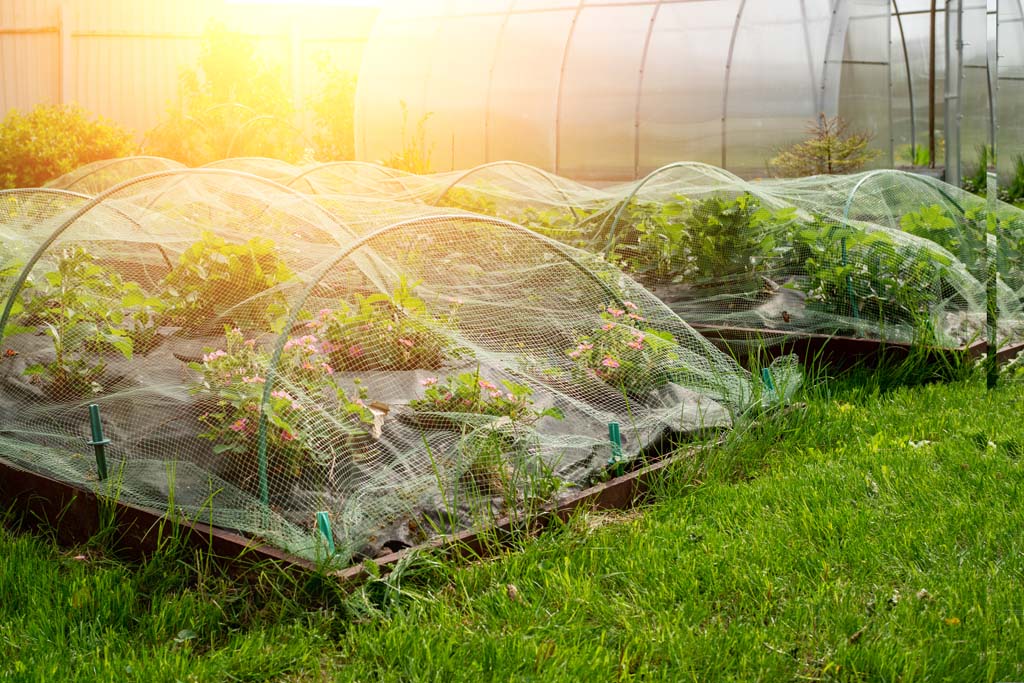
Develop your broad understanding of practices and processes involved in successful plant cropping  in greenhouses or other protective structures.
Develop a clear understanding of enviromental control and plant growth within a protective enviroment, together with a practical knowledge of plant husbandry techniques.
[More info & enrolment: Protected Plant Production]
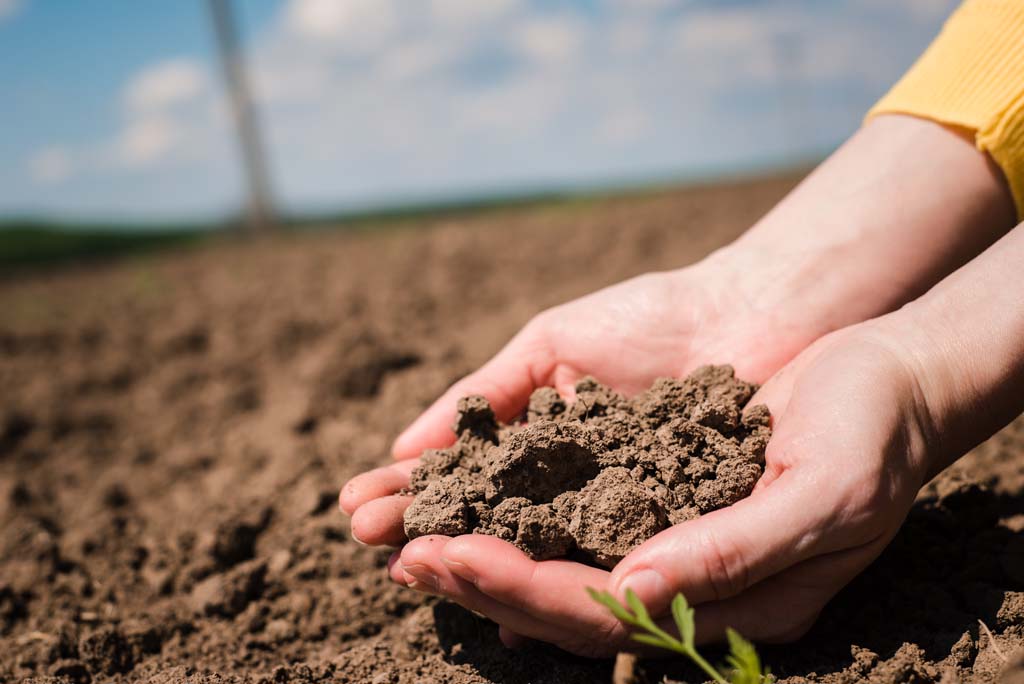
Good soil conditions are critical to the healthy growth of most plants. Over eight lessons this course will develop an understanding of physical & chemical properties of soils, the ability to carry out simple tests and determine soil characteristics, and to decide ways of treating a soil to improve its ability to grow plants. The course is specifically designed for crop production.
[More info & enrolment: Soil Management - Crops]
Ten lessons covering the history of viticulture, the current state of the industry, wine and table grapes, dried grapes, cultural practices (trellising, soils, planting, pruning, irrigation, pests & diseases); vineyard design, improving quality, harvest & post harvest procedures, winemaking, marketing and more.
[More info & enrolment: Viticulture]
The content of this course is very similar to the "Growing Nuts" course, except this deals exclusively with nuts grown in the tropics and sub-tropics. There are eight lessons including a special project in this course. This course is designed as a detailed look at identification and culture of nuts in warmer climates. Emphasis is placed on the species that are of horticultural value.
[More info & enrolment: Warm Climate Nuts]
 

Legend:

Course can be studied by Correspondence
Course can be studied Online
Course can be studied on CD with E-Learning
More information...

Refine results:

Only show courses which can be studied through:


Subscribe to the ACS Newsletter

Subscribe for Special Offers, New Services, Courses, Books, Opportunities, Free Stuff and more!
Student Login
RECOGNITION